You wake up, check your emails, and the day unravels before you’ve even had breakfast. Achieving remote work productivity can feel like juggling three balls while riding a bike. Distractions pop up relentlessly, stealing precious hours.
Learning to manage your time while working remotely matters for your well-being and output. You want to do great work, and maintain a sense of accomplishment by day’s end. That doesn’t happen by chance—it takes intention and specific habits.
This article explores practical, battle-tested strategies for honing remote work productivity. You’ll find scripts, checklists, and routines you can start using today. Read on to rethink how you approach your remote workdays and tune your schedule for real progress.
Designing Your Ideal Workspace for Productive Flow
Deliberately crafting your remote workspace sets the foundation for remote work productivity. Small adjustments help you transition into focus mode and reduce scattered thinking so every hour counts more.
An optimized environment cues your brain for deep work, signaling it’s time to switch from household mode to professional mindset. You can boost remote work productivity by setting visual and physical boundaries that prime you for action.
Creating Boundaries Between Work and Home
Establishing a clear workspace tells your brain work time has started. Pick a spot—desk, corner, or table—and consistently use it for remote work productivity. This routine strengthens focus signals.
If your space is tight, use physical markers like noise-canceling headphones or a specific lamp. Household members learn these signals too, minimizing interruptions and reinforcing your productivity boundaries at home.
End your workday by clearing the desk or closing your laptop. This reset helps your brain detach from work, preserving your energy for the next day’s remote work productivity sessions.
Lighting and Ergonomics for Sustained Focus
Good lighting reduces eye strain and keeps your energy up. Position your desk near a window if possible, or choose a daylight-mimicking lamp for better remote work productivity throughout the day.
Check your chair height and screen angle. Your wrists shouldn’t bend up or down when typing. Adjust monitors to keep your neck straight and shoulders relaxed, so discomfort doesn’t disrupt your workflow.
Set a timer to stretch every hour. Stiffness distracts you, but small, regular breaks keep you clearheaded and ready for top-notch remote work productivity until the workday ends.
| Workspace Element | What to Adjust | Why It Matters | Try This Today |
|---|---|---|---|
| Lighting | Natural or daylight lamp | Reduces fatigue and eye strain | Move your desk near a window |
| Chair & Desk Height | Wrists/arms parallel to floor | Prevents aches and posture issues | Stack books under laptop if needed |
| Clutter | Remove non-essentials | Decreases visual distractions | Clear workspace before starting |
| Headphones | Noise cancel or quiet playlist | Blocks out distractions | Try a focus playlist on low volume |
| Break Timer | Hour or half-hour reminders | Boosts sustained energy | Set a recurring timer now |
Structuring Your Day to Protect Your Focus
Scheduling your day is a core pillar of remote work productivity. When you design a day with natural breaks and smart sequence, you gain more focused sprints and fewer wasted minutes between tasks.
Blocking your calendar in themes or work sessions means you pick when to be “on” and when to recharge. This consistency trains your mind to show up fully, respecting time boundaries even when working from home.
Breaking Large Tasks into Actionable Steps
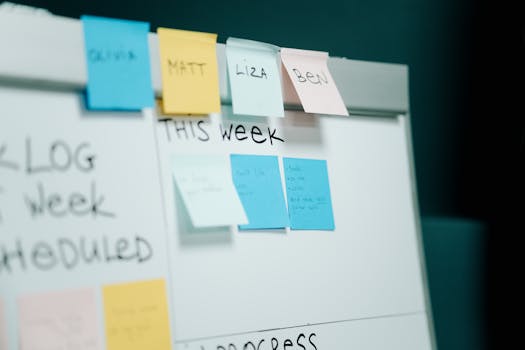
Addressing an intimidating task causes stress and drains momentum. Instead, split big work into bite-sized actions. Write a checklist on a sticky note or your digital app and check items off as you complete them.
- List out your task components – When starting a project, brainstorm each logical step and write them down, so nothing feels vague or overwhelming as you go.
- Assign time estimates – Add rough time blocks to each task, making it easier to sense what you can actually finish before lunch or in a focus sprint.
- Start with an easy win – Begin your list with one quick task. Momentum gets rolling with even a small achievement, supporting continuous remote work productivity.
- Limit each work session – Cap work blocks at 60–90 minutes. When a timer ends, stand up or shift tasks to avoid mental fatigue and return sharper next round.
- End with a review – At session close, spend two minutes marking off wins and updating next steps. Celebrate visible progress and set a clear return point.
Breaking up your workflow in this way amps up both confidence and remote work productivity—big tasks no longer stall your forward movement, and you see results daily.
Timeboxing Versus To-Do Lists: A Smart Comparison
While both timeboxing and to-do lists organize your day, timeboxing preschedules what happens when, while a list risks growing endlessly. Try blocking calendar slots for specific tasks.
- Block project work for a set hour – Restricting “client emails” to 10–11 a.m. keeps it in one spot and stops constant inbox checking, leading to greater focus and better remote work productivity.
- Assign non-negotiable breaks – Schedule lunch and short walks so you don’t “just finish one more thing.” Personal time is essential for sustained performance.
- Build in buffer time – Allow 10 minutes between meetings or sessions for prep and mental resets. This reduces stress and improves meeting quality and remote work productivity as a result.
- Reserve a daily shutdown – At the end of your schedule, review your accomplishments and plan tomorrow. Mark this as a ritual, not an afterthought, for better closure on each workday.
- Use alarms or calendar alerts – These cues help train you to protect and respect your own calendar boundaries, supporting your remote work productivity throughout the week.
Both approaches help structure your time, but mixing timeboxing for deep work and lists for housekeeping strikes the best balance for flexibility and results.
Rituals and Cues to Drop into Deep Work Fast
Building start-of-day rituals helps you ease into focus mode reliably, switching from home distractions to professional commitment. Rituals make remote work productivity automatic, not something you force each morning.
Adding cues—music, certain clothes, or a standing beverage—signals work has begun. The key is consistent repetition until your brain links these actions with deep work and energy.
Using Pre-Work Routines as a Productivity Trigger
Put on a work sweater, pour a fresh cup of coffee, and launch your task manager app. These first-step routines prime your body and mind for real work time every morning.
Physical action cements intent. Close personal messaging apps and open your work dashboard—this deliberate transition increases focus and remote work productivity for that session.
Running the same startup sequence reduces resistance. Like stretching before running, these tiny rituals say, “Now I work,” making a productive mindset feel natural.
Recharging with Intentional Midday Pauses
Schedule a pause even if you’re not tired. Stand, stretch, or walk outside. These breaks aren’t wasted—you’re refreshing your brain, leading to stronger late-day remote work productivity.
Midday routines, like mindful breathing or prepping a snack, tell your body it’s time to reset, not quit. Use a recurring calendar nudge so you won’t skip this recovery window.
Return from each pause by reviewing your last completed task. This keeps momentum steady so transition periods never bleed into idle, unfocused time. Remote work productivity picks up again almost automatically.
Communication Habits that Guard Your Calendar
Choosing direct, clear communication habits keeps your calendar under control. When you clarify your focus hours and response times, you set mutual expectations and avoid unnecessary pings that kill remote work productivity.
Visible boundaries, both in writing and via tools, help coworkers trust the times you’re accessible versus heads-down. These actions save time and streamline collaborative remote work productivity without friction.
Setting Boundaries with Team Check-Ins
Propose a recurring stand-up or sync call—same time each week. Script your opening: “Let’s keep updates under two minutes to save time for questions or quick blockers.” Show respect for everyone’s focus.
Use shared docs or project boards to post status outside meetings. This keeps urgent interruptions low and gives teammates access to your progress anytime, powering everyone’s remote work productivity.
Offer alternatives: “Slack me for urgent issues, otherwise let’s update in the shared doc.” You’re steering communication into channels that don’t disrupt deep work, leading to smoother, more efficient days.
Crafting Auto-Responder Messages and Clear Boundaries
Set a polite auto-responder: “I’m in heads-down work from 9 to 11 a.m.; I’ll respond after.” This reduces pressure to reply instantly and sets expectations from the start.
Leave your calendar visible: block do-not-disturb times for your teams. They learn your rhythms and hesitate less to book you outside your focus windows, boosting sustained remote work productivity all week.
Thank people who respect your work blocks: “Appreciate your flexibility—let’s keep these slots for focused project work.” This reinforcement builds better team culture that protects personal work time for everyone.
Elevating Your Game: Sustainable Remote Work Productivity
Designing smart environments, clear rituals, and strong time structures transforms remote work from scattered days to consistent wins. Every new technique explored here builds a more reliable and rewarding rhythm in your workweek.
Remote work productivity never depends on willpower alone. When you combine physical boundaries, tactical scheduling, and visible communication, you stay in control—finishing each day with work you’re proud of and energy to spare.
Small, daily adjustments snowball. Try one new method tomorrow: a standing desk, a calendar block, or an auto-responder script. Each strategy makes remote work productivity tangible—and keeps your day yours, minus the chaos.