If your mind jumps between emails, chats, and endless tabs, hitting deep concentration might feel impossible. With the right deep work tools, focus becomes a habit instead of a struggle.
Daily distractions drain mental energy and leave little room for creative breakthroughs or focused problem-solving. That’s why using deep work tools designed to reclaim your attention can change the way you work—helping you prioritize what really matters.
This article explores practical, approachable apps and workflows. Whether you’re a student or professional, you’ll find strategies to use deep work tools that give your brain space to dive into meaningful tasks.
Choosing apps that streamline your attention will help you reclaim mental energy
Building a set of effective deep work tools lets you shut out distractions and put your focus where it counts. The right picks depend on your goals and working style.
Look for apps that make interruption-free blocks routine, automate distractions away, and give you feedback about your progress. This builds the muscle for deeper, uninterrupted thinking.
Pair focus timers with task managers to anchor your sessions
Combining a Pomodoro-style timer with a task manager app lets you set clear goals, work in focused intervals, then review and adjust. Start a 50-minute timer, assign one deep work priority, and only track its progress.
If you plan out a session—say, “Write the project proposal draft for 3 focused blocks”—you’ll mentally commit to seeing it through, using your deep work tools to block distractions until the timer rings.
Cue your timer and to-do list at the start: don’t check email or respond to chats during these settled work blocks. This ritual teaches your brain that deep work means true focus time, not partial effort.
Automate device settings so you only see what you need
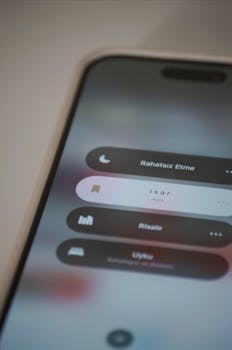
Use tools that enable a focus mode or do-not-disturb mode, shutting down distracting apps and notifications with one tap. If you need to research, allow only your browser and reference manager.
Automating device settings means you’re never tempted by alerts or background pings. Instead, you deliberately create a workspace where deep work tools shield you from temptation, letting your mind stay quiet and focused.
Set a recurring time for these automations—like 9 am daily—so your devices defend your focus before interruptions seep in. Deep work starts to feel natural when your phone and computer cooperate automatically.
| App Name | Main Feature | Platform | What to Try First |
|---|---|---|---|
| Forest | Grow virtual trees with focus sessions | iOS, Android | Set a 25-minute timer before meetings; watch your forest grow |
| Cold Turkey | Blocks websites and apps completely | Windows, Mac | Block all social media for your morning deep work sprint |
| Focus To-Do | Combines Pomodoro and task lists | Multiplatform | Sync your top 3 tasks and set Pomodoro intervals |
| Freedom | Lock access to internet or apps | Multiplatform | Schedule daily focus sessions across all devices |
| Session | Visualizes deep work progress over time | Mac, Web | Review weekly charts to tweak your habits |
Building a distraction-proof routine creates daily focus guarantees
Committing to a daily structure using deep work tools takes willpower out of the equation. You’ll know what to do, when, and how distraction is blocked on your behalf.
If you anchor deep work at the same time and with the same setup every day, your brain quickly learns these are productive, rewarding moments. Deep work tools make it effortless.
Design a digital shutdown for your workspace
Turning off everything non-essential before deep work—notifications, email, chats—trains your mind that this window is sacred. Use a shutdown script or automation service to run this with one click.
- Silence phone notifications for set periods: Reduce interruption temptation by scheduling deep work chunks and letting people know when you’ll be unreachable.
- Close all unused browser tabs before focusing: Prevents you from “just checking” other work or drifting to unrelated info during a session.
- Log out of distracting websites: Makes you take a deliberate step if you want to break focus, raising the friction against casual browsing.
- Turn off desktop notifications: Eliminate pings from messages, system alerts, or popups so your environment stays quiet and your brain stays centered.
- Set a start and end routine: Signal your mind that you’re entering and exiting deep work, making focus a repeatable ritual, not a struggle.
When every tech distraction is silenced with one push, you’re giving yourself permission to build deeper habits rather than constantly refocusing.
Use digital work zones to limit temptation areas
Predefining what apps and windows are open during deep work lets you separate “focus mode” from “everything-else mode.” Limit your workspace to only what’s needed for the task.
- Open only reference apps or documents required: Keeps your eyes from drifting and lets you find info faster without the clutter of extra windows.
- Pin the project you’re working on to the taskbar or home screen: Fast switching increases the odds you’ll stay with the same task until complete.
- Move communication apps out of sight: If you need them, place in a folder or second desktop so opening them isn’t automatic when you’re tempted by conversation.
- Customize window layouts for each deep work task: Visual routines—like always having your editor leftmost and supporting docs right—teach your mind which tools matter for each goal.
- Uninstall or disable non-essential extensions: Less digital noise to draw your attention away, and if needed later, reinstall only after the project is done.
When your digital workspace only contains what you need for the current task, your mind can stay calmly attentive without the push-pull of temptation every few minutes.
Personalizing focus strategies with deep work tools maximizes your unique strengths
Everyone’s focus style is affected by personality, work habits, and energy levels. Deep work tools let you customize your routine so you play to your own strengths, not just follow one-size advice.
Tracking which techniques work best over time helps you refine a process that’s flexible and genuinely effective for you.
Experiment with block lengths and break intervals
Some thrive in 25-minute focus blocks, while others need 60 or 90 minutes to truly sink in. Use deep work tools that let you adjust block duration and measure your focus after each session.
If you feel restless or fatigued before a timer ends, try shortening the interval and lengthening the break. On days with high motivation, extend focus sessions if you sense more energy and clarity.
Journaling how alert you feel at the start and end of each session reveals your ideal rhythm. Deep work tools with built-in reflection prompts make it easy to spot trends and preferences over time.
Leverage accountability systems for stronger consistency
Using deep work tools that let you join groups or share progress adds positive social pressure. If you post your daily focus streaks, you know others can see when you skip or push through.
This doesn’t require exposing private work—just confirming when you started and finished a deep session. Some apps offer peer encouragement, weekly leaderboard tracking, or badges that reward consistency rather than perfection.
Pairing solo deep work with occasional peer check-ins ensures focus doesn’t get lonely or spiral into burnout. Your best strategies include both independent stretches and team-based accountability, powered by the right deep work tools.
Replacing willpower with environment design prevents drift and procrastination
Willpower is finite. Deep work tools that pre-commit your environment—visual cues, soundscapes, and restriction controls—make default choices support your focus, not undermine it.
Setups that signal “it’s time to focus” will soon create a habit loop that feels nearly automatic, almost like wearing your favorite shoes for a demanding run.
Use visual and audio cues to mark deep focus time
Switching your desktop wallpaper to a calming color signals your brain that workspace has shifted. Some deep work tools let you dim your screen, play ambient noise, or set a status so others see you’re in focus mode.
Sound cues—like starting a favorite playlist or a white noise generator—tell your senses it’s “work block” time. Over time, the pattern of specific sounds at specific times conditions you to expect productive stretches.
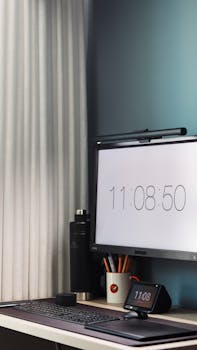
Pro tip: Set a visual timer in your room or workspace. The ticking clock or a bright color countdown connects the passage of time physically, reinforcing your intention to focus until the block ends.
Create friction for multitasking with digital locks
Multi-tasking isn’t bad in all cases, but when you’re aiming for deep work, make task-switching inconvenient. Use web blockers that need an extra password or time delay to override your own rules.
Some deep work tools let you schedule “lockout periods” when banned apps simply won’t open—the digital equivalent of locking the snack cabinet while dieting. It’s far easier to stick to your focus plan when temptation costs you extra effort.
For tasks that require research or occasional fact-checks, keep one browser reserved for work and another—hidden away—for everything else. This separation keeps you honest and makes switching feel deliberate, not automatic.
Developing a personal toolkit for deep work creates reliable, repeatable results
Setting up deep work tools tailored to your habits puts your best focus within reach each day. You don’t need extreme discipline—just a reliable system for shutting out distractions and using your brain where it counts.
Adapting and refining your suite of apps, timers, and routines lets you craft a workflow that matches your style while keeping you resilient against digital overload. True deep work starts with deliberate choices, not spontaneous willpower.
When you treat deep work tools as your allies and environment, you transform focus from a struggle to an asset—turning ambitious tasks into regular wins and making distraction-free work your norm.