Anúncios
Ever started a task and suddenly found yourself scrolling without remembering why? Phone distraction blockers can break that cycle, nudging us back on track before the day slips away.
It’s easy to underestimate how much attention trickles away to notifications, idle browsing, or sly social feeds. Streamlining your phone isn’t about minimalism; it’s about regaining time and mental breathing room.
This guide shows clear steps, tools, and mindsets for blocking distractions on your phone, using practical strategies and phone distraction blockers to claim your focus back—one alert at a time.
Building a Distraction-Free Home Screen for Deep Work
You can start reducing interruptions right away by rethinking your home screen. Rearranging or removing app icons means fewer automatic taps and less temptation when you unlock your phone.
Think of your home screen as your desk: Clutter encourages procrastination, while visual order helps direct attention to what matters most. With phone distraction blockers, this effect multiplies.
Prioritize Focus-Promoting Apps First
The top row or main page should only house tools supporting your goals. Place note-taking, calendar, or task-focused apps upfront while hiding entertainment, shopping, or endless scroll apps.
An organized layout guides muscle memory; productivity becomes default, and pointless wandering fades. When only relevant apps are visible, you don’t scroll aimlessly deciding what to do next.
Analogous to leaving your gym shoes by the bed for an early workout, visible focus apps cue positive action. The fewer distractions on display, the less you’ll need to rely solely on phone distraction blockers.
Remove, Hide, or Consolidate Non-Essential Apps
Grouping social media or news apps into folders off the main screen breaks your access pattern, making unconscious tapping less likely. Out of sight often means out of mind, especially mid-task.
Another powerful approach removes icons entirely or disables apps through parental controls or the phone’s native app manager. Combine this with phone distraction blockers to ensure you actively choose when to engage.
Consistent application of this technique builds new habits. Over time, reaching for distractions feels odd rather than automatic, setting a strong foundation before even using advanced phone distraction blockers.
| Action | How to Do It | Benefit | Takeaway |
|---|---|---|---|
| Move essential apps up | Drag work or task apps to row one | Reduces visual clutter | Prompts productive muscle memory |
| Use folders for distractions | Group social/news into labeled folders on page two | Out-of-sight, out-of-mind effect | Breaks autopilot opening |
| Disable unused apps | Use system settings to hide or uninstall | Stops accidental opening | Simplifies decision-making |
| Limit badge notifications | Turn off notification dots for distracting apps | Keeps attention on priorities | Less anxiety to check immediately |
| Add widgets for focus | Place calendar or focus timer widget | Visual cue to stay on task | Reinforces intent each unlock |
Filtering Notifications to Regain Focus Quickly
Instant alerts break momentum and invite rabbit holes. Tighten notification settings on your phone, filtering for what genuinely deserves your attention, to reduce unwanted interruptions.
This isn’t just about silence—it’s about reshaping what your brain associates with urgency. The more you rely on phone distraction blockers here, the easier focus becomes, even in busy moments.
Use Built-In Notification Management
Take a few minutes to open your notification preferences. Mute or minimize anything that isn’t urgent: social networks, shopping deals, auto-updates, and games all go quiet.
- Toggle off “banners” for apps notorious for spamming irrelevant info—don’t give them the front door to your attention.
- Switch group notifications so similar alerts cluster together. You’ll get one ping, not ten, for multiple messages or updates.
- Adjust lock screen previews so you see only the sender’s name—this prevents curiosity from derailing a work session.
- Mute group chats during work hours. If a friend needs you urgently, they’ll call or reach out directly.
- Set “critical only” modes, filtering alerts by importance. Less noise means more control, precisely what phone distraction blockers optimize for.
Every alert bypassed saves you minutes and attention. Test each change for a day—if you miss nothing important, it’s working.
Schedule Downtime Periods for Mental Clarity
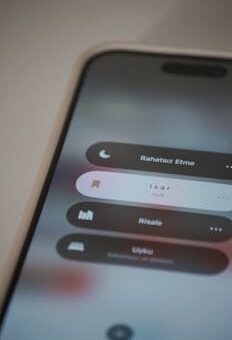
Leverage your phone’s daily or weekly downtime features. Schedule blocks when nonessential apps and notifications are off-limits to support focused work or quality family time.
- Program quiet hours where only specific contacts or alarms get through—many phones make this easy with one toggle.
- Batch notifications instead of real time. See updates hourly, not instantly, to stay in the driver’s seat.
- Sync downtime with calendar events. Let your digital workspace reinforce boundaries instead of eroding them.
- Ritualize app review at set times—mornings, lunch, and evenings—rather than responding every buzz.
- Reinforce each period with desk signs, headphones, or a quick “I’m offline” text to colleagues to avoid being interrupted in person.
Structured downtime lets your mind fully unplug so you can recharge. Frequent use of phone distraction blockers makes this routine smooth and sustainable.
Choosing and Setting Up Effective Phone Distraction Blockers
Phone distraction blockers come in different forms, but each helps you draw firmer boundaries between productive use and digital chaos. Selecting the right blocker enhances your self-control while offering practical support.
Every tool has unique strengths. Pick one aligned with your habits—timed app limits, custom block lists, or even total “focus mode” shutdowns. Match function to your real needs, then try it for one week.
Timed App Limits for Habit-Building
Some phone distraction blockers let you set usage windows for specific apps. You might allow 20 minutes of social media daily, then go locked out when time’s up.
This feels strict at first, but like kitchen timers for baking, the constraint eases over time. You’ll naturally shift away from casual scrolling once limits feel routine rather than punishment.
If you break limits, block yourself for that day—consistency is key. Many find the timer’s nudge eventually rewires their habits, reducing temptation even after the block lifts.
Custom Block Lists for Tricky Times
Weekend Netflix or late-night word games distracting your sleep routine? Phone distraction blockers that support custom lists put you in the driver’s seat.
Set special block lists for evenings, meetings, or focused mornings—your phone becomes as responsive as a doorman, letting in only what you’ve approved.
Review which apps drain your time each week. Adjust the block list, building a personalized wall against your biggest triggers. No more one-size-fits-all advice—have real data shape your plan.
Creating Habits That Stick Around Phone Distraction Blockers
Tools aren’t enough; your results depend on the habits you build around them. Phone distraction blockers are only as strong as your routine for using, reviewing, and updating them.
Habit stacking—a method where you anchor a new behavior to an existing routine—works well here. For example, activate focus mode every time you make coffee or open your laptop for work.
Habit Reflection at the End of Each Day
Spend a minute before bed reviewing when you succeeded or slipped with phone distraction blockers. Ask, “What nudged me off course? Which fix would prevent this next time?”
This reflection builds self-awareness, like rewinding game footage to spot what led to missed shots. Recognize repeat triggers—did an unusual workload or mood cause lapses?
Update your blocker lists based on these findings, making each shortcut or addition more relevant to tomorrow’s battles for attention.
Positive Reinforcement to Lock In Gains
Pair successful focus blocks with small rewards: a break, snack, or quick walk when the session ends. These cues anchor blockers to something pleasant, not just denial.
Even short streaks (two or three days) set a positive loop. When you notice stress drop in the evening or projects progress steadily, give yourself credit rather than slipping back into all-or-nothing thinking.
Phone distraction blockers then become partners in progress, not adversaries—something you’ll want to use rather than dodge.
Managing Work and Personal Boundaries with Phone Distraction Blockers
Dividing your phone use between work and personal time is essential for preventing burnout. Set up dual focus modes or profiles using phone distraction blockers to compartmentalize responsibilities without blending stressors.
Imagine your phone as two different workspaces—a home study and a living room. Each has its distinct energy and rules. Phone distraction blockers help ensure those lines stay crisp, not blurry.
Automating Focus Shifts Based on Schedule
Many distraction blockers let you schedule modes by time, location, or calendar event. Have “work” focus kick in at 8 am, then swap to “family” mode by 6 pm, blocking emails and Slack after hours.
This automation means you’re not choosing over and over—you decide once, and the tool enforces your boundary daily.
If your job has on-call elements, customize exceptions only for key contacts, ensuring you feel secure without missing emergencies.
Anchoring Boundaries with External Cues
Physical cues reinforce digital blockers. Changing your lock screen wallpaper or phone case at work’s end marks the shift for your brain, just like leaving an office.
Pair this with habit rituals: Put the phone in another room, or announce end-of-day wrap-up to your family. These reinforce what your phone distraction blockers are doing in the background.
The clearer your cues, the easier it is to stay present where you are—at work or at home—without feeling tethered to both worlds by your device.
Responding to Setbacks and Adjusting Blocker Strategies Effectively
Breaking old habits involves trial and error. If you “cheat” your phone distraction blockers or disable them, don’t see it as failure—view it as valuable feedback for tuning your setup.
Treat each slip-up as a troubleshooting session. Ask, “Did the block trigger at a bad time? Was an exception missing? Did I need support from family or coworkers?” Adjust your system accordingly, making future lapses less likely.
Tactical Reboots for Stubborn Distractions
Some distractions resist even the best blockers. When you notice an app creeping back in, uninstall for a week, then evaluate if it deserves a place in your digital toolkit.
If anxiety or FOMO drives override, try pairing blockers with supportive habits—meditation, walks, or short calls to a friend when you’d otherwise scroll.
Every phone distraction blocker comes with loopholes. List yours, then plan what to do when you catch old habits sneaking in through the cracks.
Building Social Accountability
Share your blocker plan with friends or coworkers. If group chats go silent during your focus hours, let everyone know why you might not reply instantly.
Ask a trusted friend to check in on your progress or screenshot streaks of distraction-free days. A little friendly competition or shared commitment helps motivation stick.
Incorporate accountability rewards, like treating yourselves after a week of strong boundaries. Turning blocker use into a social practice adds fun and camaraderie alongside the solo discipline.
Fine-Tuning Your Digital Life for Sustainable Focus
Phone distraction blockers reduce noise, but crafting sustainable change means reviewing and tweaking your approach. Regularly check if your apps, blocker settings, and downtime schedules still serve your priorities as life shifts.
Every new habit, tool, or ritual compounds over weeks and months. Stay mindful of what boosts your well-being, and don’t hesitate to experiment with new phone distraction blockers or strategies as needed.
The steps you take today plant seeds for future calm, clarity, and creativity. One thoughtful adjustment at a time, your phone becomes a tool for focus, not a source of endless interruption.