Anúncios
Remember lying on the carpet with a favorite controller, pixelated characters flickering on the TV? Nowadays, retro mobile games slip into your pocket, sparking sudden nostalgia wherever you are.
Classic games remind us of simpler joys. This topic matters because these experiences aren’t just about reviving the past—they’re merging it with tech. Developers and players are both fueling a movement to recapture what made those old titles unforgettable, right on our phones.
Throughout this article, you’ll discover why retro mobile games are making their comeback. You’ll see which games lead the trend, how mobile changes the experience, and practical reasons so many are diving back in.
Reviving Old Hits Brings Familiarity Back Into Play
Playing a retro mobile game now delivers a familiar hit of comfort for anyone who remembers the original arcades or handhelds. The mobile format puts that comfort right in your palm.
For many, launching a retro mobile game acts like opening a time capsule. The sounds, visuals, and even simple controls trigger treasured memories, fostering a sense of connection and belonging.
Controls Adapted for New Devices
Classic games used physical buttons and joysticks, but mobile versions translate this to taps and swipes. This transition preserves core gameplay while making it accessible to modern users accustomed to touchscreens.
Developers tweak control layouts, reducing clutter but keeping responsiveness high. For example, a game originally using a D-pad might use a virtual joystick overlay, minimizing obtrusive graphics to emphasize gameplay.
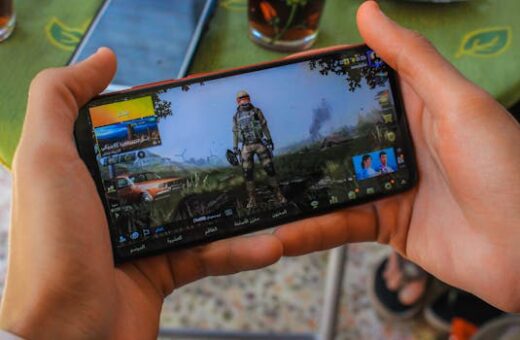
Try holding your phone sideways with thumbs on the screen—it’s reminiscent of the feel of a Game Boy, blending the old form with new convenience, so muscle memory returns in a few minutes.
Visual Updates Without Losing Character
Retro mobile games frequently enhance original graphics but maintain the feel that made them iconic. Updating colors, smoothing frames, or increasing resolution ensures old games look crisp without sacrificing their soul.
Some studios add light visual effects, but the pixel art style remains central. For most fans, the appeal lies in these signature visuals adapted for tiny, sharp mobile screens.
If you compare side-by-side screenshots of original versus mobile-updated versions, you’ll see clear care in preservation. Purists can usually toggle “classic mode” for an even more faithful look.
| Game | Original Release | Mobile Features | Key Takeaway |
|---|---|---|---|
| Tetris | 1984 | Touch controls, daily challenges | Perfect for quick sessions on the go |
| Pac-Man | 1980 | Swipe movement, global leaderboards | Easy to pick up, hard to put down |
| Sonic the Hedgehog | 1991 | Rewind setting, new speed modes | Fast play translates well to swipes |
| Street Fighter II | 1991 | Virtual buttons, multiplayer mode | Nostalgic battles fit short play windows |
| Castlevania | 1986 | Cloud saves, adaptable difficulty | Portable adventure, replayable levels |
Broadening Audiences Means Everyone Gets to Play
The modern wave of retro mobile games welcomes players old and new, letting anyone try historically influential titles. These games fit any lifestyle, meeting people wherever their phone goes.
Many young players first discover these classics on mobile—no original hardware needed. Meanwhile, older fans are able to share and discuss childhood favorites with new generations directly from their device.
Accessibility Features Open Doors
Retro mobile games frequently include scalable fonts, adjustable speed, and hints. These support a wide variety of abilities and preferences, letting more people enjoy foundational game mechanics in their own way.
- Adjust difficulty sliders to find the right challenge; this keeps gameplay fun but not frustrating for everyone using a range of skill levels.
- Enable colorblind modes for clearer visuals; this ensures graphics are vibrant and readable regardless of visual needs, supporting continued enjoyment.
- Switch to one-handed play when needed; many games provide control customization so quick gaming fits any scenario, from waiting rooms to trains.
- Explore built-in tutorials for classic mechanics; jumping into retro mobile games can be confusing at first—walkthroughs flatten the learning curve.
- Use customizable button layouts to minimize discomfort; long play sessions become easier when controls match your grip and thumb size.
User feedback drives updates. Developers continually refine these retro mobile games after launch, solving complaints about tiny buttons or vague instructions. Restoration isn’t just about nostalgia—it’s active design for wide appeal.
Community Play Creates Shared Fun
Many retro mobile games now feature leaderboards or local multiplayer, naturally connecting users. These interactions spark conversations and new rivalries wherever you go.
- Invite friends into your game lobby; online lobbies make it painless to coordinate quick matches or collaborate, no matter the player’s location.
- Share global achievements for bragging rights; leaderboards provide real-world status, inspiring players to replay and improve their scores daily.
- Host retro gaming nights virtually; mobile platforms let groups assemble without physical hardware, reviving the old living-room social energy anywhere.
- Start community challenges through app-based events; regular tournaments and in-game rewards encourage playful competition and return visits.
- Follow game updates via push notifications; active games keep users looped in and invested as new features or modes roll out.
When you join the leaderboard or message a friend about beating a high score, the experience pulls classic gaming culture into contemporary conversation. Retro mobile games build creative bridges through shared fun.
Modern Convenience Transforms the Gaming Experience
Playing on mobile means retro games integrate seamlessly into daily routines. This brings classic fun into moments that would’ve otherwise been idle, like commutes or lunch breaks.
Quick-launch features and cloud save technology further streamline the process. Rather than digging through shelves for cartridges or booting up outdated systems, your favorite retro mobile games load instantly with just a tap.
Notifications and Daily Rewards Keep Players Returning
Modern retro mobile games use gentle nudges and daily bonuses to encourage play. It’s a smart blend: the warm nostalgia of old favorites with the engagement of modern app design.
For instance, a classic brick-breaker game might pop up a morning challenge or limited-time mode. These incentives offer new reasons to revisit familiar gameplay over and over again.
Back in the day, you’d play for high scores in long, marathon sessions. Now, short bursts fit busy lives—rewards are tailored to how, when, and where people play today.
Cloud Saves Extend Progress Across Devices
Saving progress used to mean scribbling down passwords or leaving the console on. Retro mobile games offer cloud sync, letting players swap between phone and tablet without missing a beat.
This design change removes frustration: no more starting over or losing a hard-won level because your battery died. Convenience meets commitment, letting you focus on mastering the game itself.
If your phone is in your pocket, you’re one tap away from your quest—right where you left off. It’s the modern version of pausing and coming back, without extra hardware or codes to remember.
Economic and Technical Drivers Fuel the Revival
Developers release retro mobile games because demand and tools align. The cost of porting classics has dropped, while app store audiences expanded dramatically, making retro titles economically attractive.
Licensing deals and emulator tech enable studios to refresh older catalogs swiftly. Fans benefit: the games they’re searching for online frequently end up on digital storefronts soon after a spike in searches.
Digital Distribution Makes Releases Fast and Scalable
Physical cartridges once limited distribution. Now, retro mobile games appear in app stores worldwide almost instantly, increasing their reach—no shipping, no inventory limits, just rapid availability for everyone.
This speed brings low-risk experimentation. Studios can unlock beta versions, test new features, or gauge user interest with fast iterations based on player reviews and real-time analytics.
The longer a retro mobile game remains popular, the more updates and expansions arrive—today’s platforms reward ongoing interest with active support instead of single, static releases.
Revenue Models Cater to Players’ Needs
Most retro mobile games opt for ad-supported or one-time purchase models, allowing flexible access. Some add optional cosmetic purchases or ad-removal, ensuring fairness without demanding microtransactions for core gameplay.
This matches how modern players budget: free access for casual users, a reasonable price for nostalgia seekers, and extras only for those invested in particular features.
Studios monitor app performance, iterating pricing and new content rapidly. Player-driven feedback ensures that monetization aligns with satisfaction, preserving goodwill while funding further game updates.
Designing for Touch: What Works, What Doesn’t
Bringing retro mobile games to touchscreen devices means balancing nostalgia with new usability. Some designs transfer smoothly, while others need a full rework for comfortable, precise play.
Games that depend on split-second button presses require high responsiveness, so developers reconfigure controls or simplify mechanics where needed to avoid clumsy on-screen navigation.
Adapting Input Methods for Touch
Take a retro mobile game that was all about button combos. Developers now map those combos to swipe patterns or simple virtual buttons, reducing frustration in fast-paced moments and making learning curves less steep for all players.
Accessibility features also extend into controls. Games provide visual cues or vibration for feedback, ensuring every action has a tactile equivalent, even for players new to mobile gaming or with physical limitations.
The best retro mobile games let you fully remap input—assigning jumps, runs, or menu selections to wherever feels natural on your device. Try experimenting to optimize for personal comfort.
Reshaping Game Flow for Short Sessions
Mobile environments are unpredictable: sudden distractions, incoming notifications, or a commute ending mid-level. Designers now cut long stages into bite-sized chunks, letting users save instantly and resume anytime.
Quick pause and resume—available on retro mobile games—mirrors habits from social media or texting. This flexibility recognizes how people engage with their phones now, not how they did in console eras.
Game-over screens now provide restart or skip options, reducing the sting of failure. Players keep momentum, making retro mobile games a preferred choice for consistent, enjoyable play—no more rage quits due to lost time.
Cultural Impact and Community-Driven Trends Inspire Growth
Retro mobile games aren’t just nostalgic. They ignite culture—memes and communities, online forums, and fan art. Each revival brings old titles into new conversations, deepening their impact on today’s pop culture.
Players create and share walkthrough videos, achievement runs, or even thematic playlists, embedding retro mobile games into a broader social world that’s active, passionate, and always evolving.
Social Media Challenges Keep Classics Relevant
It’s common to see a hashtag trend focused on beating a famous level in a retro mobile game. These public feats drive downloads, as newcomers jump in to share their best scores or show off creative speedruns.
Short-form video apps have boosted this trend, encouraging users to share daily highlights, creative glitches, or funny fails. Now, classics re-enter social feeds and spark broader group interest without paid promotion.
If you want to join, emulate the quick clips you see online—finish a level with flair or recreate a classic game meme to catch your friends’ attention and keep retro mobile games alive in your circles.
Fan-Driven Updates and Mods Shape Future Releases
Some studios solicit ideas from communities before updating retro mobile games. This collaborative approach ensures new content matches what core fans want, keeping releases exciting and authentic.
Occasionally, user mods or tournament suggestions make it into official updates. These partnerships reward creative contributions and build loyalty among engaged players.
If you see a forum thread urging new modes for a favorite retro mobile game, know that developers may take notice. Participating in these spaces means your preferences might shape the next update.
Looking Forward: Why Retro Mobile Games Will Keep Booming
Retro mobile games have proven they’re more than a passing trend—they reflect evolving technology, player passions, and smart business. Each innovation deepens their role in gaming culture, ensuring their relevance tomorrow.
As new devices emerge, expect more inventive adaptations: haptic feedback, AR overlays, or social integrations. The best retro mobile games continually reinvent their forms, maintaining all the magic with better play options every year.
Already, the next era of retro mobile games is taking shape—drawing on decades of beloved play while leveraging features that fit perfectly into 21st-century life. Dive back in, and you’re joining a living history that’s built to last.